
Every August, National Wellness Month reminds us to pause and ask an important question:
How are our people doing—like really doing?
At Luma Brighter Learning, this question has become deeply personal.
Like many organizations, we have seen our healthcare costs continue to rise. While rising costs certainly matter, they are not the reason we launched our six-month Score Wars Wellness Challenge. We did it because people matter.
In 2024, we lost a member of our team. That kind of loss changes you. It reminds you that behind every email, meeting, deadline, and project is a human being with dreams, struggles, and a life that extends far beyond work. No organization can prevent every tragedy, but at Luma we decide to show up every day for each other because we care beyond the rising costs. We care about each team member personally.
Our program is about helping our team live longer, healthier, and more connected lives, and building a wellness program is about involving the team to make a difference. Our director of operations and one of our customer support specialists met to develop the activities and goals they wanted to include in the wellness challenge. Luma team members were placed randomly in groups, and each group defined their team names.
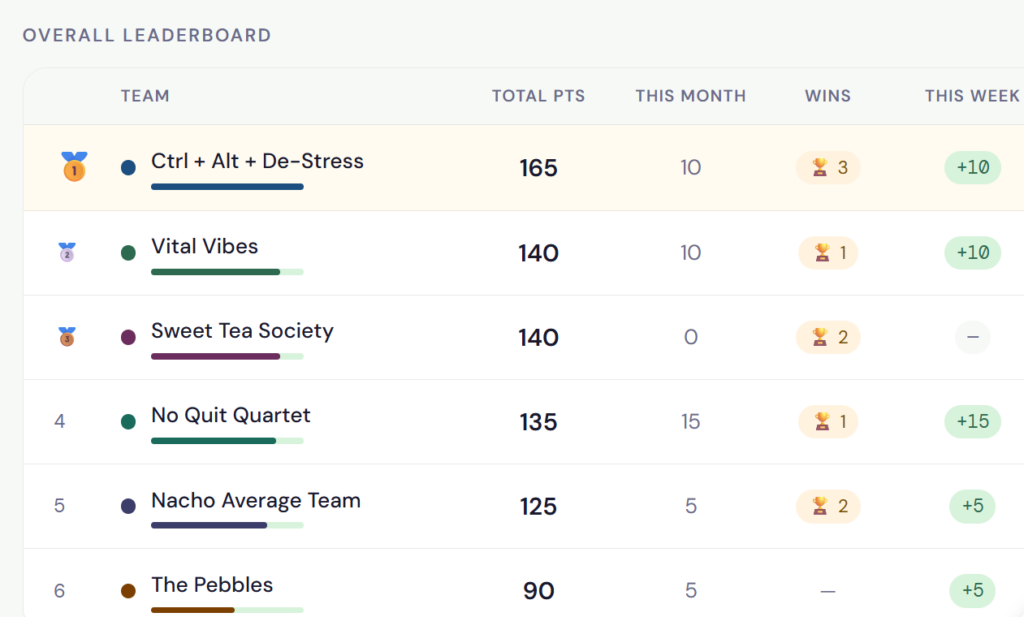
Each month has a different focus, with teams engaging in a specific weekly challenge:
- Month 1: Move More
- Month 2: Fuel Better
- Month 3: Recharge
- Month 4: Connection
- Month 5: Strength and Posture
- Month 6: Wildcard Week
The themes connect with weekly challenges that hold us accountable to each other and our health. Teams complete simple weekly challenges around movement, nutrition, recovery, connection, strength, and personal wellness. Challenges include moving for just a few minutes a day, drinking more water, practicing mindfulness, taking real lunch breaks, expressing appreciation to teammates, improving posture, and unplugging from screens for an evening. Friendly competition, recognition, and shared accountability help transform healthy habits into lasting routines. We share photos and messages to keep our motivation going.
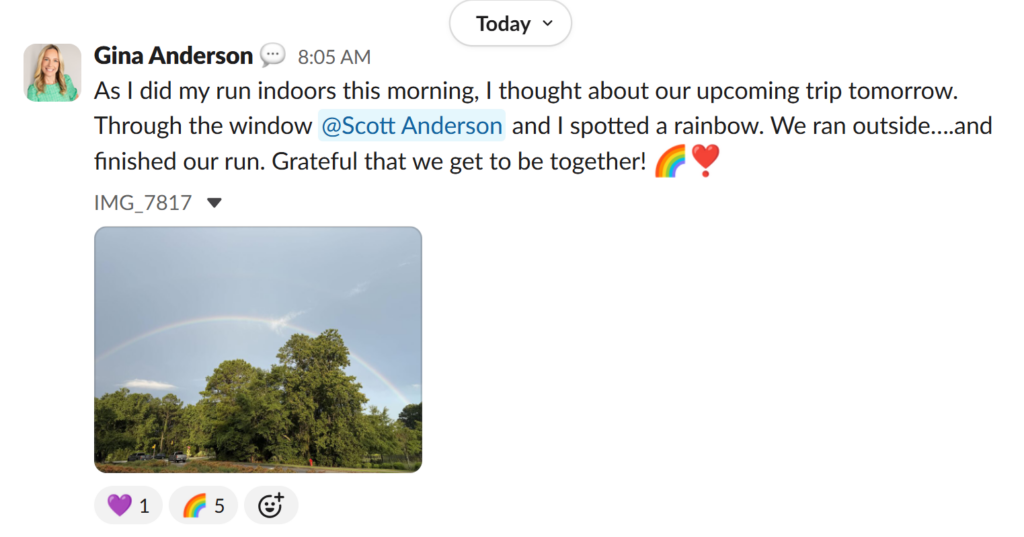
Wellness extends far beyond physical fitness. In the third month, we were challenged to disconnect three times that week. It was the same week one of our employees lost her house and car to a tornado, and her dog had to have emergency surgery. Unexpected tragedy can hit anyone’s life, at any time.
At that time, I knew I wanted to be connected to the team and couldn’t log off at 5 p.m. At the end of the week, I let our team know I didn’t accomplish that weekly challenge. It’s critical to be honest, no matter your role on the team. At the end of the day, for me, losing that week was actually winning because showing up when your team needs you the most really matters. My wellness team didn’t get the points to sustain our lead, but creating a safe work environment creates psychological safety, and that impacts personal wellness in a way that lasts beyond any challenge.
Stress, anxiety, burnout, loneliness, and emotional exhaustion do not stay at home when employees come to work. They influence concentration, decision-making, creativity, relationships, safety, and even physical health. Organizations often invest heavily in technology and processes while overlooking the well-being of the people responsible for making those systems successful.
Our Score Wars program was intentionally designed to make wellness approachable instead of overwhelming. Rather than asking employees to change their lives overnight, we focus on small, achievable habits that create lasting behavioral change. The science behind this approach is simple: behavior changes when people feel supported. Learning sticks when it happens consistently. Culture changes one small action at a time.
Our employees say that the program, only halfway through, has already impacted their thinking and behavior.
Alyssa Musick, our partnership success coordinator, said, “Between motherhood and a full-time job, it’s easy to forget to take care of yourself. This initiative has helped me to be mindful of logging off on time and reminded me to drink more water. Both of these help my mind and body feel better and more fulfilled!”
Our senior manager of learning and credentialing, Lindsey Wagner, shares, “As someone who is new to a fully remote job, this challenge has helped me feel more connected to the team.”
At Luma, wellness is a culture that employees experience. When leaders encourage people to take breaks, recognize teammates, prioritize mental health, move their bodies, continue learning, and care for one another, they create workplaces where people do more than survive. They thrive!
This National Wellness Month, we encourage every organization to take one small step. Not because insurance premiums are increasing. Not because productivity might improve. But because every employee represents a family, a future, and a life that deserves to be valued.
If you’re wondering where to begin, we’ve made it easier.
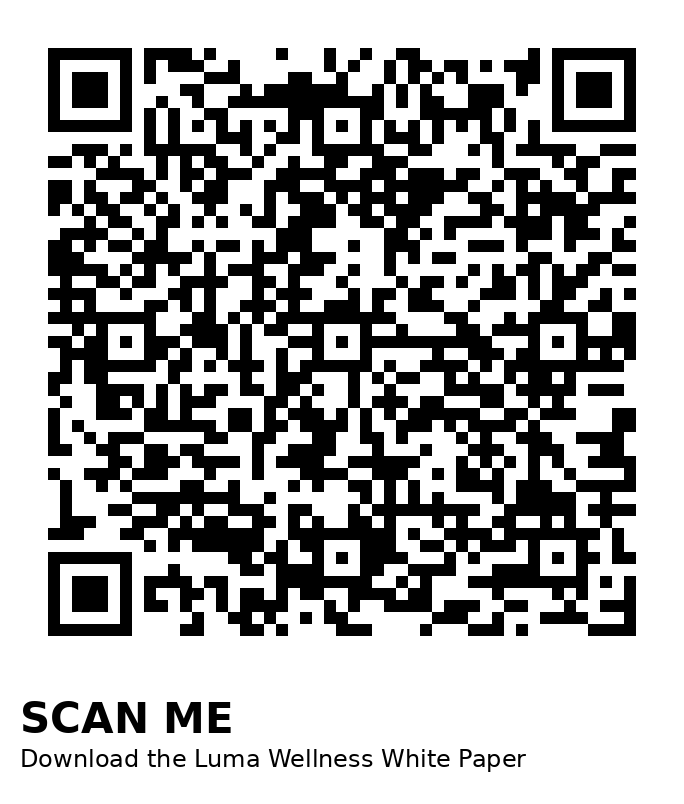
The Link Between Wellness and Retention: Luma’s Framework for Building an Employee Health and Wellness Program is a practical guide filled with research, examples, implementation ideas, and strategies organizations of every size can adapt to their own culture. In it, we explore all eight dimensions of wellness and offer actionable recommendations from organizations already making wellness a priority.
Scan the QR code to download the free white paper and use the framework to build a healthier, stronger workplace.
For other ways to learn to develop wellness in your life and the lives of those around you:
- Follow my I Love Learning podcast to learn how to build the mind of a champion.
- Read my book Thrive: How Learning Can Ignite a New Way Forward for people who are struggling with taking the first step forward.
- Send sunshine to someone who needs it.
The greatest investment an organization can make is in its people and the authentic connection it builds with them. When people learn, grow, and feel well, their lives improve and so does the world around them.
XOXOX,
Dr. Gina Anderson
CEO and Co-Founder, Luma Brighter Learning